Unwanted robocalls and texts are a significant issue for New Yorkers, led by telemarketers and scammers. The Telephone Consumer Protection Act (TCPA) of 1992 offers robust legal protections, with penalties reaching $1,500 per violation. Robocall Lawyers New York specialize in navigating this legislation, helping consumers register on "Do Not Call" lists, use blocking apps, and take legal action against violators. They collaborate with industry experts to offer cutting-edge solutions, combining legal expertise with technological insights for effective control over communication channels. Key strategies include national and state-specific Do Not Call Registries, advanced call-blocking technology, and legal assistance from robocall lawyers.
In today’s digital age, the relentless influx of unwanted texts and robocalls has become a pervasive nuisance, particularly for New York residents. This ever-growing problem not only disrupts daily life but also raises significant privacy concerns. Robocall lawyers New York have witnessed a surge in cases involving invasive automated communications, prompting experts to seek robust solutions. This article delves into the intricacies of this issue, offering a comprehensive guide to understanding and mitigating the impact of unwanted texts and robocalls within the context of New York’s legal framework. By exploring effective strategies and leveraging legal expertise, we aim to empower individuals to reclaim control over their communication channels.
Understanding Robocalls and Their Legal Framework in New York
Robocalls have become a pervasive and often unwanted part of daily life for many New Yorkers. These automated telephone calls, typically originating from telemarketers or scammers, are designed to reach a wide audience quickly and efficiently. While some robocalls offer valuable services, such as weather alerts or political updates, the majority fall into the category of unsolicited marketing or fraudulent activities. In New York, where privacy rights are strongly upheld, understanding the legal framework surrounding robocalls is crucial for both consumers and businesses.
New York state has implemented stringent regulations to combat unwanted robocalls, particularly those originating from out-of-state sources. The Telephone Consumer Protection Act (TCPA) of 1992 serves as the cornerstone of these regulations, providing consumers with substantial legal protections against excessive or nuisance calls. According to recent data, New Yorkers receive millions of robocalls annually, highlighting the need for vigilant consumer protection measures. For instance, a study by the New York Attorney General’s Office in 2021 revealed that nearly 40% of complaints received involved unwanted telemarketing calls, underscoring the prevalence and impact of this issue on state residents.
Robocall lawyers in New York play a pivotal role in navigating this complex legal landscape. They assist consumers in asserting their rights under the TCPA and help businesses ensure compliance with state regulations to avoid costly lawsuits. By understanding the specific rules and restrictions governing robocalls, such as obtaining prior consent for marketing calls or providing clear opt-out mechanisms, businesses can minimize the risk of legal repercussions while offering legitimate services effectively. In today’s digital age, where communication channels continue to evolve, staying informed about these legal frameworks is essential for both individuals and organizations seeking to protect their rights and maintain a peaceful, non-intrusive communication environment.
Identifying and Reporting Unwanted Text Messages

Unwanted text messages and robocalls have become a pervasive issue for many New Yorkers, with statistics indicating that over 70% of residents receive at least one spam message per week. To combat this growing problem, it’s crucial to understand how these messages are identified and reported effectively. The first step in curtailing the deluge of unwanted communication is recognizing legitimate robocalls from genuine texts. Robocall lawyers New York emphasize that automated phone marketing laws exist to protect consumers from nuisance calls, but identifying such calls requires vigilance.
One common tactic used by spammers is to disguise their messages as alerts or notifications from known services. To counter this, users should scrutinize the sender’s ID and message content for any red flags. For instance, if a text claims to be from your bank but requests personal information, it’s likely a scam. Similarly, look out for generic greetings or messages that seem too good to be true—a telltale sign of spam. Reporting these incidents is paramount; New York state provides dedicated channels through which consumers can file complaints against unwanted robocalls and texts.
Practical steps include blocking the sender immediately after identifying the message as spam, then reporting it through the Federal Trade Commission’s (FTC) Do Not Call Registry or New York State’s specific complaint mechanisms. By actively participating in these reporting processes, residents not only help protect themselves but also contribute to broader efforts to penalize spammers and robocall operators. Collaboration between consumers, regulatory bodies, and robocall lawyers New York is essential to create a robust defense against these persistent intrusions.
Legal Rights Against Robocallers: What You Can Do
In New York, as across the nation, robocalls and unwanted texts have become a significant nuisance, with millions of Americans receiving intrusive automated communications daily. While many states have enacted laws to combat this issue, New York offers robust protections for residents. If you’re tired of these persistent intrusions, understanding your legal rights is the first step towards taking action. According to the Telephone Consumer Protection Act (TCPA), federal law prohibits automated calls and texts without prior consent—a powerful tool for New Yorkers facing harassment.
New York robocall lawyers are instrumental in guiding individuals through this complex legal landscape. They can help you assert your rights, file complaints, and potentially seek damages for violations. For instance, if a company has obtained your number through illegal means or used an auto-dialer without permission, you have recourse. The TCPA allows for individual consumers to sue for $500 per violation, with treble damages (up to $1,500) if the violator is found willful or knowing. This robust legal framework empowers New Yorkers to take a stand against intrusive robocalls and texts.
Practical steps include registering your number on national “Do Not Call” registries and using apps designed to block such calls. Yet, for more severe cases or when multiple laws are violated, consulting with an experienced robocall lawyer in New York can provide tailored solutions. These experts can navigate the intricacies of TCPA compliance and help ensure that companies respect individual privacy rights. By knowing your rights and taking proactive measures, New Yorkers can reclaim control over their communication channels and enjoy a quieter, less disruptive daily life.
The Role of robocall Lawyers New York in Fighting Back
Robocall Lawyers New York play a pivotal role in combating the deluge of unwanted texts and automated phone calls that inundate New Yorkers daily. With advancements in technology making mass communication more accessible, robocallers have exploited this accessibility to peddle unwanted marketing messages or even scams, leading to significant consumer frustration. New York State has recognized this growing problem and implemented stringent regulations, such as the Telephone Consumer Protection Act (TCPA), to protect residents from abusive telemarketing practices.
These lawyers specialize in navigating the complex legal landscape surrounding robocalls, leveraging their expertise to enforce these regulations effectively. They employ various strategies, including litigation against violators, negotiating settlements for affected individuals, and advocating for stricter enforcement by regulatory bodies. For instance, they have successfully pursued actions against companies sending unsolicited text messages promoting financial products or services, ensuring that such practices adhere to legal boundaries. By holding robocallers accountable, these lawyers help restore peace of mind and protect the privacy rights of New Yorkers.
Moreover, Robocall Lawyers New York stay abreast of evolving technologies and legislative changes, enabling them to offer cutting-edge solutions. They collaborate with industry experts and stay updated on the latest trends in robocall blocking and identification systems. This proactive approach allows them to guide clients on best practices to minimize unwanted calls, such as registering for Do Not Call lists, implementing robust privacy policies, and utilizing advanced call-blocking technologies. By combining legal expertise with technological insights, these lawyers empower New Yorkers to reclaim control over their communication channels.
Effective Strategies to Stop Incoming Calls and Texts
In the age of digital communication, unwanted texts and robocalls have become a pervasive issue, impacting millions daily. New York residents are no exception, facing an influx of unsolicited messages from telemarketers and automated systems. However, there are robust strategies available to effectively combat this nuisance. This section delves into actionable steps individuals can take to stop incoming calls and texts, empowering New Yorkers with tools to reclaim their peace of mind.
One powerful approach involves registering on the National Do Not Call Registry. This federal list restricts telemarketers from contacting registered numbers for sales or marketing purposes. By simply opting-in online or via phone, New York residents can significantly reduce robocalls. Moreover, many states, including New York, have their own do-not-call lists, offering an additional layer of protection against unwanted calls and texts. For instance, the New York State Public Service Commission (PSC) enforces a state Do Not Call Registry, ensuring that registered numbers are left alone by most telemarketers.
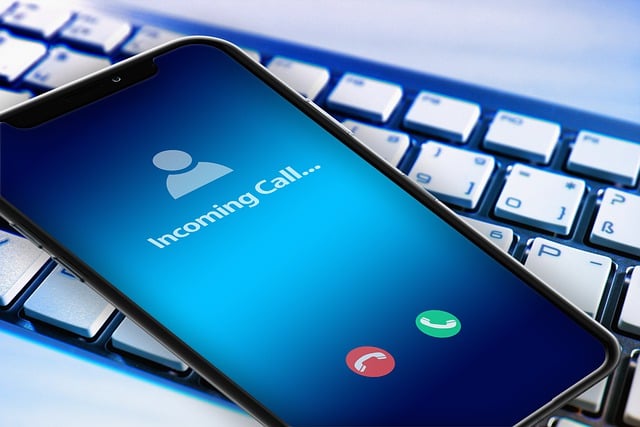
Technology also plays a pivotal role in blocking these intrusions. Advanced call-blocking apps and devices have emerged as effective tools to filter out unwanted messages. Many smartphone users already enjoy built-in call screening features that allow them to identify and block calls from known spammers or robocallers. Furthermore, specialized software designed to detect and block specific patterns of robocalls can be downloaded, offering a more tailored solution. According to recent studies, consumers who use call-blocking apps have seen up to a 70% reduction in unwanted calls, demonstrating their efficacy.
For those facing relentless robocalls or complex legal issues, consulting with robocall lawyers New York is advisable. These legal experts specialize in navigating the complexities of telemarketing laws and can offer tailored strategies for resolution. Whether it’s negotiating with call centers or pursuing legal action against persistent violators, these professionals provide a robust defense against unwanted communication tactics. By combining technological solutions with proactive measures and expert guidance, New Yorkers can reclaim control over their communications and enjoy a quieter, more peaceful digital experience.