
New York's Do Not Call laws protect residents from unwanted telemarketing calls and texts, offering privacy and peace. Registered numbers see a significant decrease in unsolicited communications within days. Consumers can register on the state list, use call-blocking apps, and report persistent violators to the Attorney General's Office. Despite efforts, text spam is increasing; regular updates and reporting are crucial for maintaining control over communication privacy.
In today's digital age, controlling robocalls and unwanted texts has become a pressing concern for New York residents. With constant interruptions from telemarketers and fraudsters, the peace of mind that once came with answering your phone is increasingly elusive. The Do Not Call laws, including those targeting law firms in New York, offer some protection but are not foolproof. This comprehensive guide delves into effective strategies to mitigate these intrusions, empowering New Yorkers to reclaim their communication channels and enjoy a quieter, safer digital environment. We explore legal protections, technological solutions, and best practices for navigating this modern-day enigma.
Understanding New York's Do Not Call Laws

New York's Do Not Call laws are designed to protect residents from unwanted telemarketing calls and texts, offering a crucial layer of privacy and peace for citizens across the state. These laws, enforced by the New York State Attorney General's Office, allow individuals to register their phone numbers on the state's Do Not Call list, significantly reducing the volume of robocalls and unsolicited text messages they receive. The list is a powerful tool in combating the proliferation of spam calls, which have become increasingly sophisticated and pervasive.
To begin the process of protecting yourself, residents should familiarize themselves with the specific regulations. The New York Do Not Call law applies to both live operators and automated calls, encompassing a wide range of telemarketing activities. This includes sales calls from businesses, collections agencies, and even charitable organizations. Importantly, it also extends to text messages, ensuring that consent is required for marketing texts, just as it is for phone calls. Upon registering a number on the Do Not Call list, residents can expect a significant decrease in these unwanted communications within a few days.
However, understanding the law alone isn't enough. New York consumers should also be vigilant and aware of their rights. For instance, if you continue to receive calls from a registered Do Not Call firm, you have the right to file a complaint with the Attorney General's Office. Data shows that many robocallers ignore the state's laws, making consumer vigilance essential. By reporting such incidents, individuals can contribute to a larger effort to hold these companies accountable and potentially prompt investigations into persistent violators, ensuring the law remains effective in protecting New Yorkers from nuisance calls.
Identifying & Stopping Unwanted Robocalls
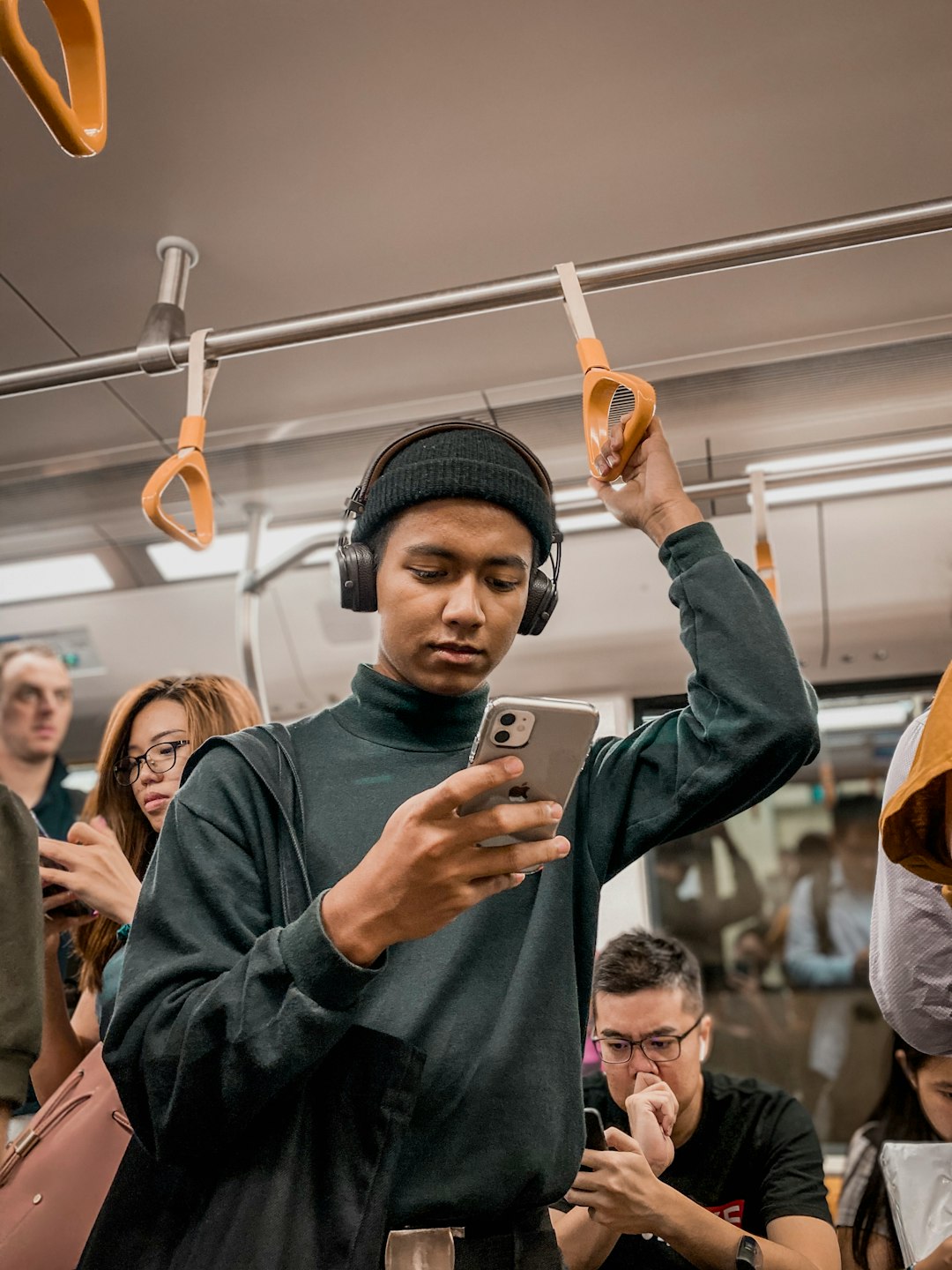
Unwanted robocalls and texts have become a significant nuisance for many New York residents, with vast numbers of unwanted communications flooding phone lines daily. According to recent reports, over 40 billion spam calls were made in the United States last year, a stark increase from previous years, demonstrating the evolving tactics of scammers and automated communication systems. In New York, where privacy laws are stringent, residents are entitled to protection against these intrusive practices.
Identifying and stopping these unwanted intrusions begin with understanding common strategies employed by robocallers. Often, these calls originate from automatic dialing systems that use sophisticated algorithms to target large numbers of phone numbers. Scammers may harvest data from various sources, including public records, online directories, or even buying information from third-party sellers. Once identified, New York residents can take several steps to mitigate and block these calls. The first line of defense is to register on the state's Do Not Call list, which, while primarily focused on telemarketers, also offers some protection against robocalls.
Additionally, consumers should consider implementing robust call-blocking technologies. Many modern smartphones come equipped with built-in call screening and blocking features that can help identify and dismiss spam calls. There are also dedicated apps available that utilize community-based reporting to flag suspicious numbers and enhance blocking capabilities. For instance, some applications learn from user feedback, improving their accuracy over time. While these measures significantly reduce the volume of unwanted calls, there's a crucial step further: reporting persistent violators to relevant authorities. New York's attorney general's office actively investigates complaints about fraudulent or harassing robocalls, and penalties for non-compliance with Do Not Call laws can be substantial.
Protecting Your Phone from Text Spam

Protecting your phone from text spam is a crucial aspect of maintaining privacy and peace of mind in New York, where aggressive marketing tactics, including robocalls and unwanted texts, are unfortunately prevalent. According to recent studies, Americans receive an average of 37 telemarketing texts per month, with many residents in New York City experiencing even higher rates. This deluge of unsolicited messages can be not only irritating but also a security risk.
One effective measure to combat this issue is to register your number on the Do Not Call list maintained by the New York State Attorney General's Office. This state-level initiative allows you to restrict calls from telemarketers and certain sales organizations. By signing up, you ensure that your phone number is marked as unavailable for commercial purposes, significantly reducing the volume of spam texts and robocalls you receive. The process is straightforward: visit the New York State Do Not Call Registry website, provide your contact information, and follow the registration steps.
Additionally, consider utilizing app-based solutions designed to filter and block unwanted calls and texts. These tools employ sophisticated algorithms and machine learning to identify and categorize incoming messages, automatically diverting spam to a separate list or silencing them altogether. Some popular options include Call Blocker Pro and TrueCall, which offer advanced features such as real-time blocking, call history analysis, and community-driven feedback on known spammers. By combining these technological solutions with the Do Not Call law firms New York protections, you can create a robust defense against text spam, ensuring your phone remains a personal communication channel free from intrusive marketing messages.
Enforcing and Maintaining Privacy Rights
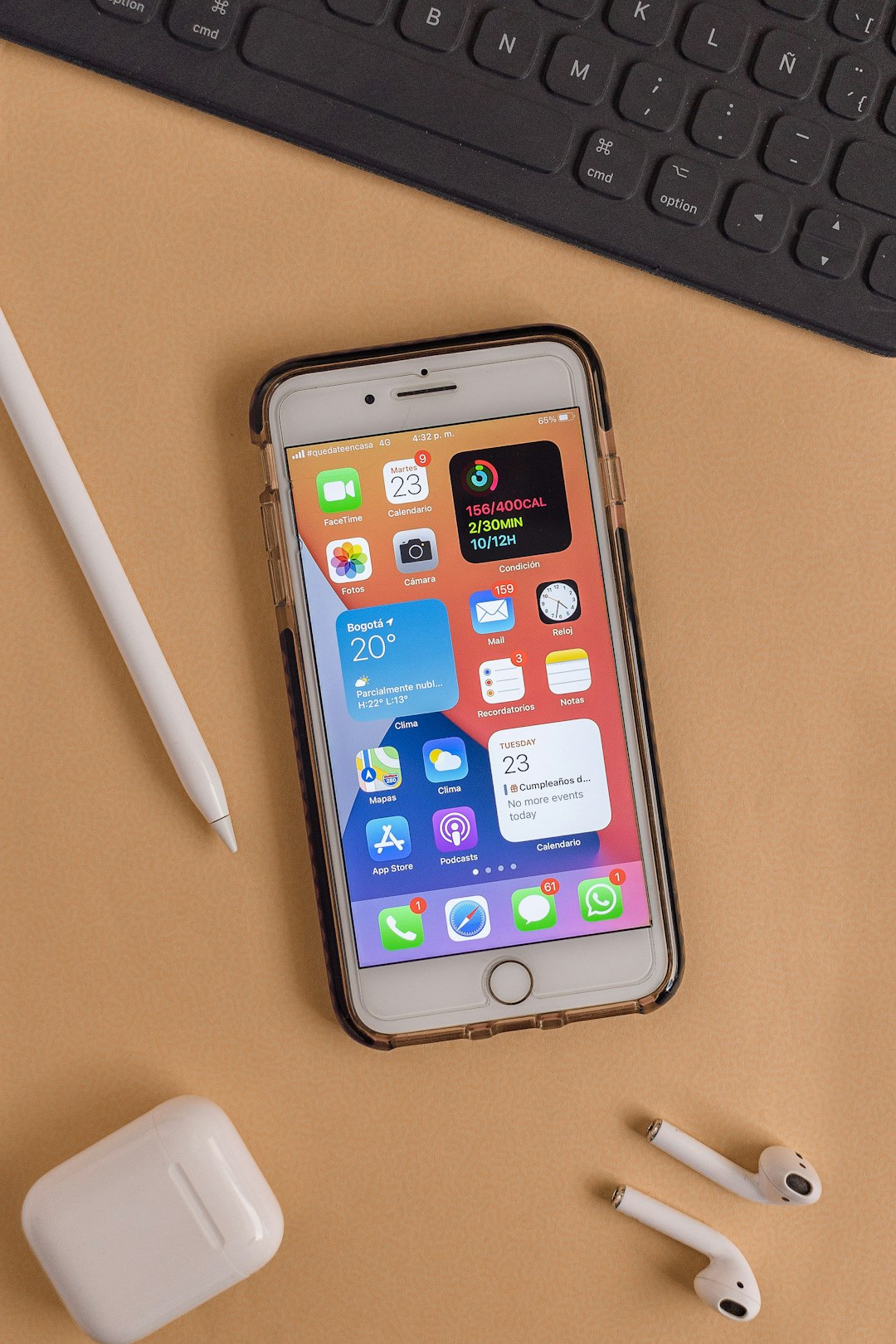
In New York, controlling robocalls and unwanted texts is a multifaceted endeavor that hinges on enforcing and maintaining privacy rights. The state's Do Not Call law firms have been instrumental in providing consumers with a measure of control over their communication channels. This law, which prohibits telemarketers from making unsolicited calls to residents who have registered on the Do Not Call list, has shown significant success in reducing nuisance calls. According to recent data from the New York State Attorney General's office, over 1.5 million New Yorkers have enrolled in the program, leading to a notable decrease in spam calls.
However, with advancements in technology, new tactics have emerged for unwanted communicators. Text messages, often used as a bypass for traditional phone calls, are now subject to similar regulations. The New York State Public Service Commission (PSC) has implemented rules requiring explicit consent for marketing texts, giving recipients the right to opt-out at any time. Despite these measures, consumers still face challenges. Recent studies indicate that while registered complaints about robocalls have decreased, reports of unwanted text messages are on the rise, emphasizing the need for continuous refinement in privacy protections.
Expert advice suggests proactive steps for New Yorkers to safeguard their privacy. Consumers should regularly review and update their preferences on both state and federal Do Not Call registries. Additionally, leveraging tools offered by telecom carriers that block specific numbers or types of calls can further mitigate unwanted contact. The PSC also encourages reporting suspicious or harassing messages to aid in identifying and penalizing violators. By combining legislative efforts with individual vigilance, New Yorkers can continue to exert control over their communication privacy.