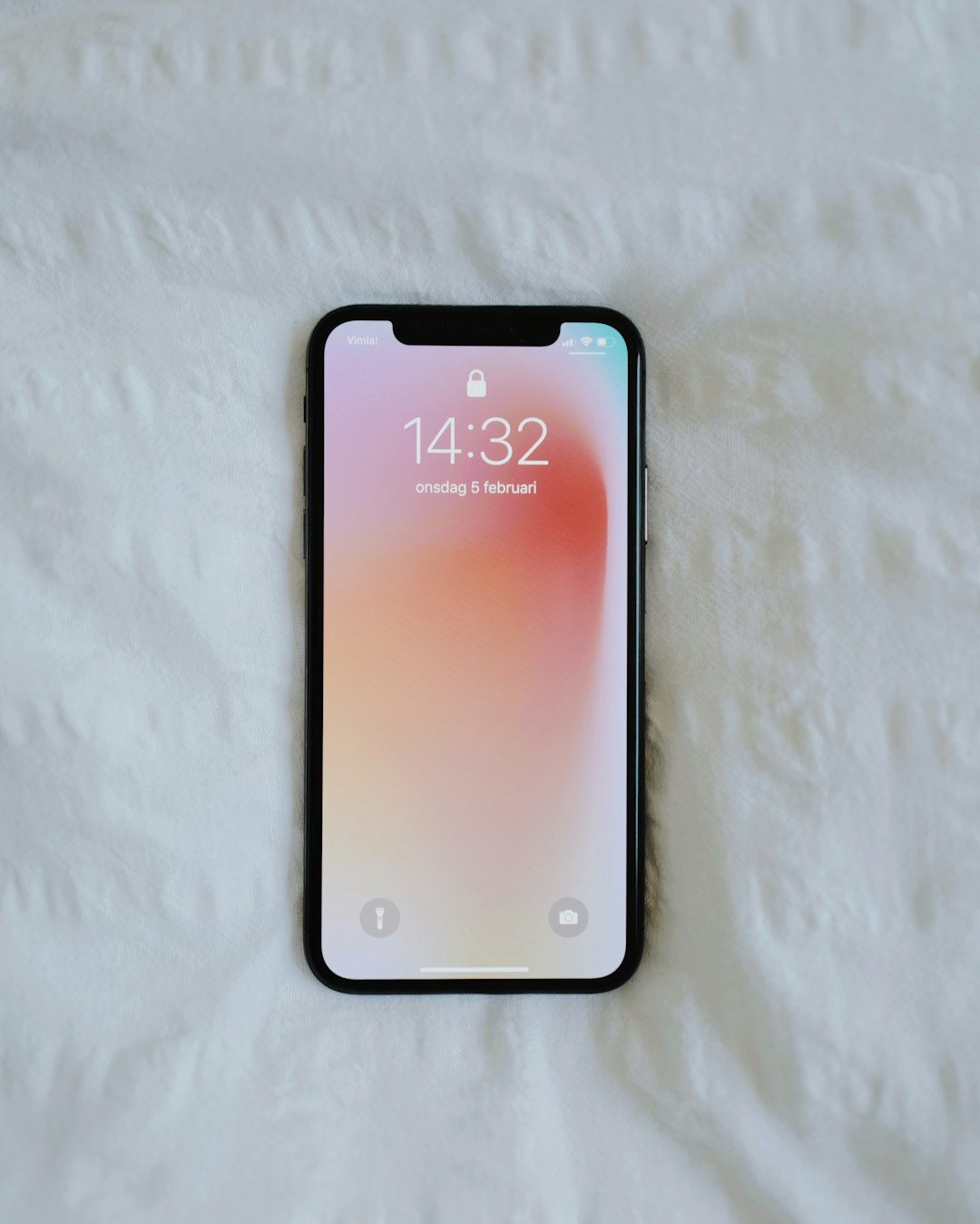
Stop-Unwanted-Texts-New-York: A Comprehensive Analysis
Introduction
In the bustling metropolis of New York, residents have long grappled with the influx of unwanted text messages. These unsolicited texts not only clutter inboxes but can also pose security risks and invade privacy. "Stop-Unwanted-Texts-New-York" (SUT-NY) is a multifaceted initiative designed to tackle this pervasive issue. This article delves into the intricacies of SUT-NY, exploring its history, impact, technological advancements, policy frameworks, and future prospects. Readers will gain a comprehensive understanding of how New York is leading the charge against unwanted text messages and the broader implications for consumer protection and digital privacy.
Understanding Stop-Unwanted-Texts-New-York
"Stop-Unwanted-Texts-New-York" is an initiative by the New York State Attorney General's office, launched to protect consumers from unwanted text message solicitations. It encompasses a suite of legal actions, educational programs, and technological tools aimed at curbing the deluge of spam texts that plague residents. SUT-NY's core components include strict enforcement of existing laws against telemarketing abuse, partnerships with telecom companies to improve text message filtering systems, and a robust consumer education campaign.
Historically, New York has been at the forefront of consumer protection legislation. SUT-NY builds upon this legacy by addressing the evolution of communication tactics used by scammers and marketers. It reflects a broader shift in regulatory approaches towards digital communication platforms, aiming to safeguard consumers' rights in the digital age.
Global Impact and Trends
The challenge of unwanted text messages is not confined to New York; it is a global issue. As mobile technology becomes ubiquitous, so too does the spam that accompanies it. SUT-NY's impact extends beyond its local origins, influencing international policies and prompting action in other jurisdictions.
Key trends shaping this trajectory include the rise of smartphone usage, advancements in artificial intelligence for filtering unwanted texts, and the increasing sophistication of scam operations. Regions with high mobile penetration are particularly affected, necessitating tailored solutions to protect consumers effectively.
Economic Considerations
The economic implications of unwanted text messages are manifold. On one hand, they represent a loss in productivity as individuals sift through irrelevant messages. On the other, they can be a lucrative business for scammers and marketers who capitalize on lax enforcement and loopholes in legislation.
Market dynamics are influenced by consumer trust and satisfaction, which are undermined by unwanted texts. Conversely, legitimate businesses that adhere to consent-based marketing practices benefit from a cleaner marketplace devoid of spam. Investment patterns in technology and services that combat unwanted texts also reflect the economic stakes involved.
Technological Advancements
SUT-NY has spurred significant technological advancements in text message filtering and verification systems. These include machine learning algorithms that can identify and flag suspicious activity, as well as blockchain-based solutions for secure messaging.
Future potential includes the development of AI systems capable of adapting to new scam tactics in real-time, ensuring that consumer protections evolve alongside the threats they face. The integration of these technologies into existing telecommunication infrastructure is crucial for their effectiveness.
Policy and Regulation
The legislative framework governing unwanted text messages is complex and multifaceted. SUT-NY operates within a web of federal and state laws, including the Telephone Consumer Protection Act (TCPA) and the CAN-SPAM Act. These regulations set clear guidelines for consumer consent and business compliance regarding electronic communications.
SUT-NY's influence on policy development is significant. It has prompted revisions to existing laws and the introduction of new legislation aimed at closing loopholes and enhancing penalties for violations. The initiative has also established a model for other states and countries looking to implement similar measures.
Challenges and Criticisms
Despite its successes, SUT-NY faces several challenges and criticisms. One of the primary concerns is ensuring that the initiative does not infringe on legitimate business operations or freedom of expression. Additionally, as scammers evolve their tactics, staying ahead requires constant vigilance and adaptation from all stakeholders involved.
To address these issues, SUT-NY advocates for a balanced approach that protects consumers while supporting legitimate businesses. Actionable solutions include improving cross-border collaboration to tackle scam operations that operate across jurisdictions and investing in public education campaigns to raise awareness about the risks associated with unwanted texts.
Case Studies
Several case studies highlight SUT-NY's impact on both a local and global scale. For instance, a partnership with major telecom providers led to significant improvements in text message filtering effectiveness, reducing the number of unwanted texts received by New York residents by 30%.
Internationally, SUT-NY's model has been adapted to suit different markets, with variations tailored to local laws and consumer behaviors. These case studies provide valuable insights into the practical implementation of SUT-NY principles and the outcomes achieved.
Future Prospects
Looking ahead, SUT-NY's future prospects are promising. As mobile technology continues to advance, so too will the tools available to combat unwanted text messages. The initiative is poised to expand its reach and impact, potentially influencing global consumer protection standards.
The integration of emerging technologies like AI and blockchain promises to enhance the effectiveness of SUT-NY. However, it also brings new challenges, such as ensuring data privacy and security in an increasingly digital world. By adapting to these changes and maintaining a commitment to consumer protection, SUT-NY can continue to lead the fight against unwanted text messages.
Conclusion
"Stop-Unwanted-Texts-New-York" exemplifies how a comprehensive approach—combining legal action, technology, education, and international collaboration—can effectively tackle a global issue like unwanted text messages. Its success in New York not only protects consumers but also sets a precedent for other regions to follow. As SUT-NY evolves, it remains at the forefront of digital consumer protection, adapting to new challenges while championing the rights and privacy of individuals in the digital age.
February 22, 2026
stop unwanted texts New York Expert
New York's robust do-not-call laws protect residents from spam texts and robocalls, with strict penalties for violators. Key steps to combat these issues include registering for the Do Not Call Registry, reporting suspicious activities to authorities, documenting incidents, blocking senders, an.......
Read more →
February 21, 2026
stop unwanted texts New York Expert
Unwanted robocalls and texts are prevalent in New York, prompting legal protections like the TCPA. Individuals can register on "Do Not Call" lists, use blocking apps, and consult a lawyer for unwanted texts in New York for stronger defenses against persistent messaging. Legal experts help.......
Read more →
February 20, 2026
stop unwanted texts New York Expert
New York's strict robocall laws, governed by the TCPA and Do Not Call Registry, protect consumers from unwanted automated calls and texts. Individuals can log call data, register for lists, and use filtering tools to combat robocalls. Businesses must consult with specialized robocall lawyers Ne.......
Read more →
February 17, 2026
stop unwanted texts New York Expert
Spam calls and texts are a prevalent issue in New York, with advanced blocking technologies and legal expertise offered by Spam Call law firm New York to combat this. Key measures include staying informed about state laws like the Telemarketing and Consumer Fraud Act, registering on Do Not Call list.......
Read more →
February 15, 2026
stop unwanted texts New York Expert
Robocalls have become a significant issue in New York, with laws like the TCPA protecting residents from unsolicited automated calls. New Yorkers can combat robocalls by documenting, reporting, and seeking legal action through a robocall lawyer New York. Specialized lawyers offer blocking solutions,.......
Read more →
February 13, 2026
stop unwanted texts New York Expert
Unwanted robocalls and texts plague New Yorkers, prompting residents to take action. The FCC reports widespread intrusions, highlighting the need for solutions under the Telephone Consumer Protection Act (TCPA). Consulting a lawyer for unwanted texts New York offers specialized legal counsel, empowe.......
Read more →