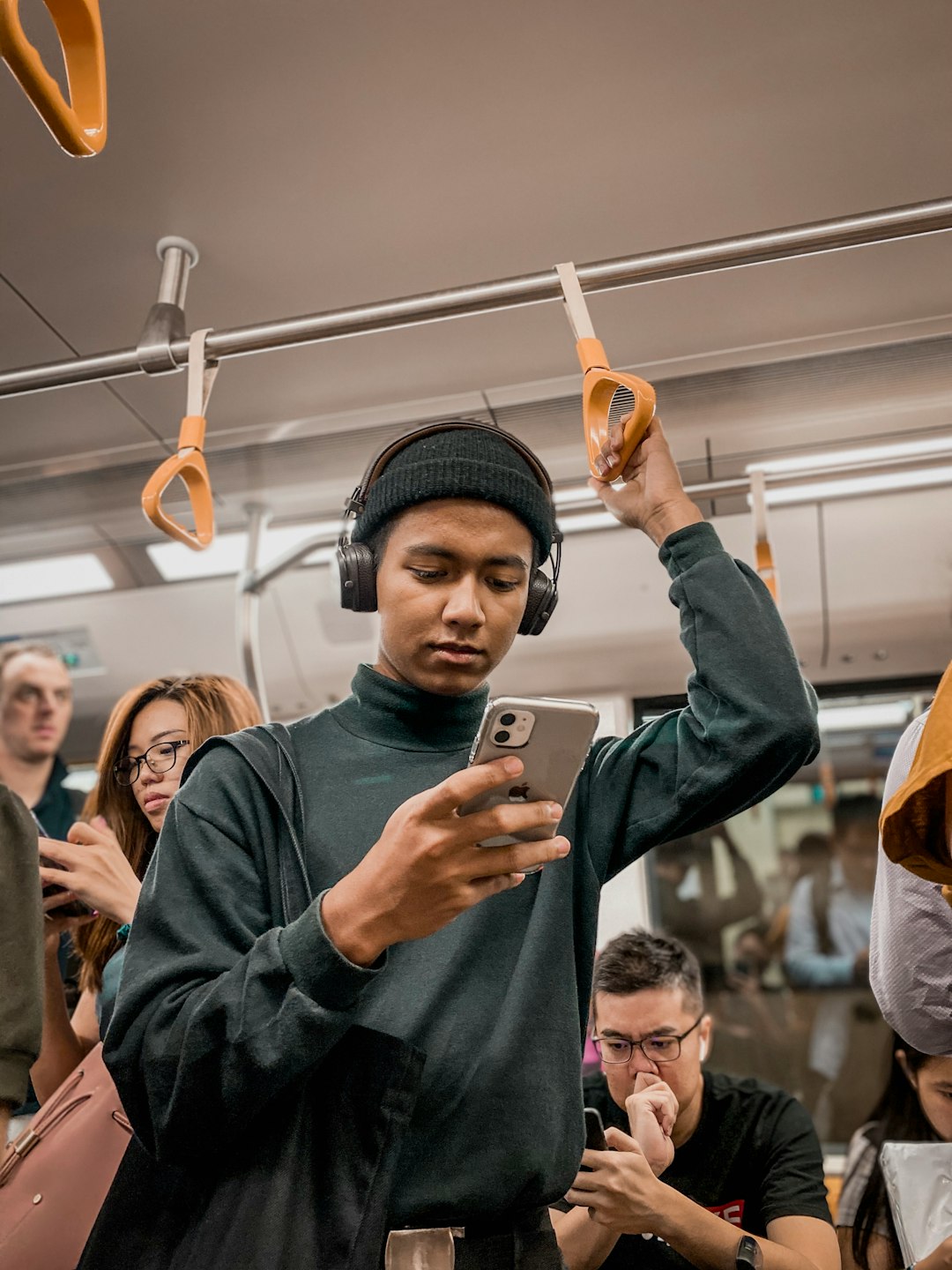
New York residents face robocalls and spam texts, prompting the state to implement strict laws like the Telephone Consumer Protection Act (TCPA) and a Do Not Call Registry. Robocall lawyers specialize in navigating these regulations, helping clients document violations and seek compensation for damages. New Yorkers can register on the Do Not Call list, consult legal experts for tailored guidance, and use advanced call blocking technologies to mitigate unwanted calls. Combining technological defenses with legal expertise ensures residents reclaim control over their communication channels.
In today’s digital age, unwanted texts and robocalls have become a pervasive nuisance, particularly in New York City, where the hustle and bustle of daily life is often disrupted by incessant spam calls. These automated messages, whether from telemarketers or unscrupulous law firms, are not only irritating but also pose significant legal risks. With strict spam call laws in place, such as those enforced by Do Not Call lists and robust litigation options, New Yorkers deserve protection from these relentless intrusions. This article delves into the world of robocall regulation, offering guidance on navigating these complex issues with the help of experienced robocall lawyers and attorneys in New York City.
Understanding Robocalls and Spam Texts in New York

In New York, as across the nation, robocalls and spam texts have become a persistent and irritating problem for residents. These automated communication attempts, often involving pre-recorded messages or text content, are designed to reach a broad audience quickly but frequently invade individual privacy. Robocalls can originate from various sources, including marketing companies, debt collectors, political campaigns, and even fraudulent entities seeking personal information. Understanding the nature of these calls and texts is crucial in taking proactive measures to mitigate their impact.
New York has implemented specific laws to combat robocall and spam text activities, primarily through the Do Not Call Registry and various consumer protection acts. The state’s Attorney General’s Office actively enforces these laws, holding offenders accountable for violating privacy rights. For instance, a recent case involved a national marketing company that bombarded consumers with unwanted calls, leading to significant fines and a court-ordered cessation of such practices. New Yorkers can register their phone numbers on the Do Not Call List, significantly reducing robocall frequency. However, even with these protections, sophisticated spammers can still find ways to target individuals, necessitating the expertise of a robocall lawyer or spam call law firm in New York.
A robocall attorney in New York specializes in navigating the complex legal landscape surrounding automated communication. They assist clients in understanding their rights and exploring legal options against persistent or abusive robocalls. For example, if a consumer receives unsolicited texts promoting products or services from unknown senders, a spam call law firm can help determine if these messages violate the Telephone Consumer Protection Act (TCPA). The TCPA imposes strict rules on the content and delivery of automated calls, including text messages, and provides legal recourse for recipients. By consulting with a robocall lawyer, New Yorkers can take action against violators and potentially seek compensation for associated damages. Proactive engagement with legal experts ensures that residents remain protected in an era where technology can facilitate both convenient communication and unwanted intrusions.
Legal Framework: Stopping Unwanted Calls and Messages
In New York, the fight against unwanted robocalls and spam texts has a robust legal framework in place to protect consumers. The Telephone Consumer Protection Act (TCPA) serves as the cornerstone of this defense, prohibiting automated calls and messages without prior express consent. This federal law is complemented by New York State’s Don’t Call Registry and specific state laws targeting spam communications. Robocall lawyers and attorneys in New York play a pivotal role in navigating these regulations, assisting individuals and businesses in understanding their rights and taking action against violators.
One of the key provisions under the TCPA allows recipients to sue for damages if they receive robocalls or texts without permission. The law distinguishes between calls made with prior consent and those initiated without the consumer’s explicit agreement. Moreover, New York’s Don’t Call Registry offers an additional layer of protection, enabling residents to register their phone numbers and restrict marketing calls. Violations of these rules can lead to substantial financial penalties for businesses and robocall operators. For instance, in 2022, a New York-based company was fined $5 million for repeatedly sending spam texts despite consumers’ registration in the state’s Do Not Call list.
Practical advice for New Yorkers facing unwanted robocalls or texts is to document the intrusions, including the caller’s information and details of the messages received. This evidence can be invaluable when considering legal action against violators. Consulting a robocall lawyer or attorney specialized in these matters is advisable as they can provide tailored guidance based on specific circumstances. These legal experts can assist with sending cease-and-desist letters, negotiating settlements, or representing clients in court to ensure compliance with the robust anti-robocall laws in New York.
Your Rights: Do Not Call Laws and Enforcement

In New York, the fight against unwanted texts and robocalls has gained significant traction, with robust legal frameworks in place to protect consumers. The Do Not Call laws, enforced by specialized law firms and robocall lawyers in New York, offer individuals powerful tools to mitigate these intrusive communications. These laws not only empower residents but also set industry standards for responsible marketing practices.
New Yorkers have the right to register their phone numbers on the state’s Do Not Call list, which effectively bars most telemarketing calls, including robocalls. The New York State Attorney General’s Office actively enforces these regulations and has taken stringent actions against violators. For instance, in recent years, numerous spam call law firms have been penalized for calling numbers listed on the Do Not Call registry. This serves as a clear message to businesses engaging in such practices.
Robocall attorneys in New York play a pivotal role in advocating for affected citizens. They guide individuals through legal avenues to seek compensation and hold offenders accountable. With the increasing sophistication of robocall technology, these lawyers stay abreast of emerging trends and legislative changes, ensuring their clients receive the best possible representation. For those facing a deluge of unwanted texts or robocalls, consulting a robocall lawyer New York or a spam call law firm New York can be a strategic move to reclaim privacy and peace of mind.
Hiring a Robocall Lawyer: Navigating Legal Options

Unwanted robocalls and texts are a pervasive problem, with New York residents facing an increasingly complex landscape of spam calls. In response to this growing issue, many turn to legal experts specializing in robocall laws and do-not-call regulations. Hiring a robocall lawyer in New York can offer crucial navigation through these complex legal options, ensuring individuals protect their rights and take effective action against persistent unwanted communications.
New York state has stringent telephone consumer protection laws in place, such as the Do Not Call Law (N.Y. Gen. Bus. Law § 340 et seq.), designed to curb excessive robocalls and spam texts. These laws empower individuals to register complaints and seek legal recourse against violators. A robocall attorney in New York is well-versed in these regulations, understanding the specifics of how they apply to various forms of communication, including SMS and voice calls. They can assist clients in interpreting and enforcing their rights under these laws, providing a strong foundation for legal action.
For instance, a New York resident may employ a robocall lawyer to file a lawsuit against a company that has repeatedly sent unsolicited text messages promoting their products or services. These lawsuits not only seek financial compensation for the victim but also serve as a powerful deterrent against future spamming activities. By engaging a legal professional in this field, individuals can ensure they receive fair and just treatment, especially when dealing with persistent violators who ignore do-not-call requests. With expert guidance, they can navigate the intricacies of robocall laws in New York, ultimately helping to stop unwanted texts and robocalls from reaching their phones.
Effective Strategies to Block and Prevent Future Disturbances

Unwanted texts and robocalls have become a ubiquitous and exasperating problem for many New Yorkers. While state and federal laws, such as the Telephone Consumer Protection Act (TCPA) and New York’s Don’t Call Registry, offer protections, effectively blocking and preventing these disturbances requires a multi-faceted approach. Engaging the expertise of a robocall lawyer New York or spam call law firm New York is a strategic move for individuals and businesses aiming to safeguard their peace of mind and compliance with legal frameworks.
One of the most effective strategies involves utilizing advanced call blocking technologies offered by reputable telecommunications carriers. These systems can be tailored to identify and automatically block known robocallers, significantly reducing the volume of unwanted calls. For instance, many smartphone users have access to built-in call filtering tools or third-party apps that employ machine learning algorithms to recognize and silence spam calls. Additionally, registered users of Do Not Call lists maintained by telephone carriers and regulatory bodies can expect fewer intrusive calls over time.
Moreover, consulting with a robocall attorney New York or specialized law firm can provide tailored advice and robust legal recourse. These professionals stay abreast of evolving robocall laws in New York, such as those enforced by the New York State Attorney General’s Office, and can offer guidance on suing for damages or seeking injunctions against persistent violators. For example, a recent settlement between New York’s AG and a major telemarketing company underscored the state’s commitment to holding robocallers accountable. By combining technological defenses with legal expertise, New Yorkers can actively reclaim control over their communication channels and create a more peaceful, less disruptive environment.