
New York's stringent anti-spam laws for text messages protect consumers from robocalls, focusing on explicit consent and voluntary agreement. Robocall attorneys help residents combat spam by educating them about red flags like unknown numbers, repeated calls, and urgent requests. The Telephone Consumer Protection Act (TCPA) offers legal recourse against violators, with specialized lawyers providing guidance on complaints, settlements, and court representation. By combining legal action and technological safeguards, New Yorkers can reclaim control over their communication channels from widespread spam and robocalls. Consulting a robocall attorney New York is crucial for permanent solutions and setting precedents for accountability.
Spam texts and robocalls have become a pervasive and irritating problem for New York residents, businesses, and consumers across the country. These unwanted communications not only disrupt daily life but also pose significant security risks, particularly with the rise of phishing scams and fraudulent activities. As a robust legal hub, New York has taken a proactive approach to addressing this crisis. This article delves into the innovative solutions implemented by the state, focusing on legislation and technological advancements aimed at curbing robocalls and providing relief to citizens from this growing nuisance. With insights from leading robocall attorneys in New York, we explore effective strategies to protect privacy and safeguard consumers in the digital age.
Understanding New York's Anti-Spam Laws for Text Messages

New York has implemented robust anti-spam laws for text messages, aiming to protect consumers from unwanted robocalls and automated messaging. These laws are among the most stringent in the nation, reflecting the state's commitment to addressing this growing concern. Understanding these regulations is crucial for both businesses and individuals looking to avoid legal repercussions and maintain privacy.
At the heart of New York's approach lies the requirement for explicit consent before sending any marketing or promotional text messages. This means that companies must obtain direct permission from recipients, often through opt-in mechanisms like text back responses or signed consent forms. Failure to adhere to this rule can result in substantial fines, currently capped at $500 per violation, with potential penalties reaching up to $1,000 for each subsequent offense. A robocall attorney in New York emphasizes that "compliance is not just about avoiding penalties; it's about fostering trust and respect between businesses and their customers."
Additionally, the state has established clear guidelines on what constitutes a valid opt-in. Consents must be voluntary, unambiguous, and specific to the type of communication. For instance, a text message advertising car deals cannot use a broad consent given for general marketing purposes. Such granular consent requirements ensure that consumers are in control of their communication preferences, preventing companies from engaging in deceptive practices. By understanding and adhering to these laws, businesses can not only avoid legal troubles but also enhance their reputation among New York's tech-savvy population.
Identifying Robocalls: Signs & Red Flags for NY Residents
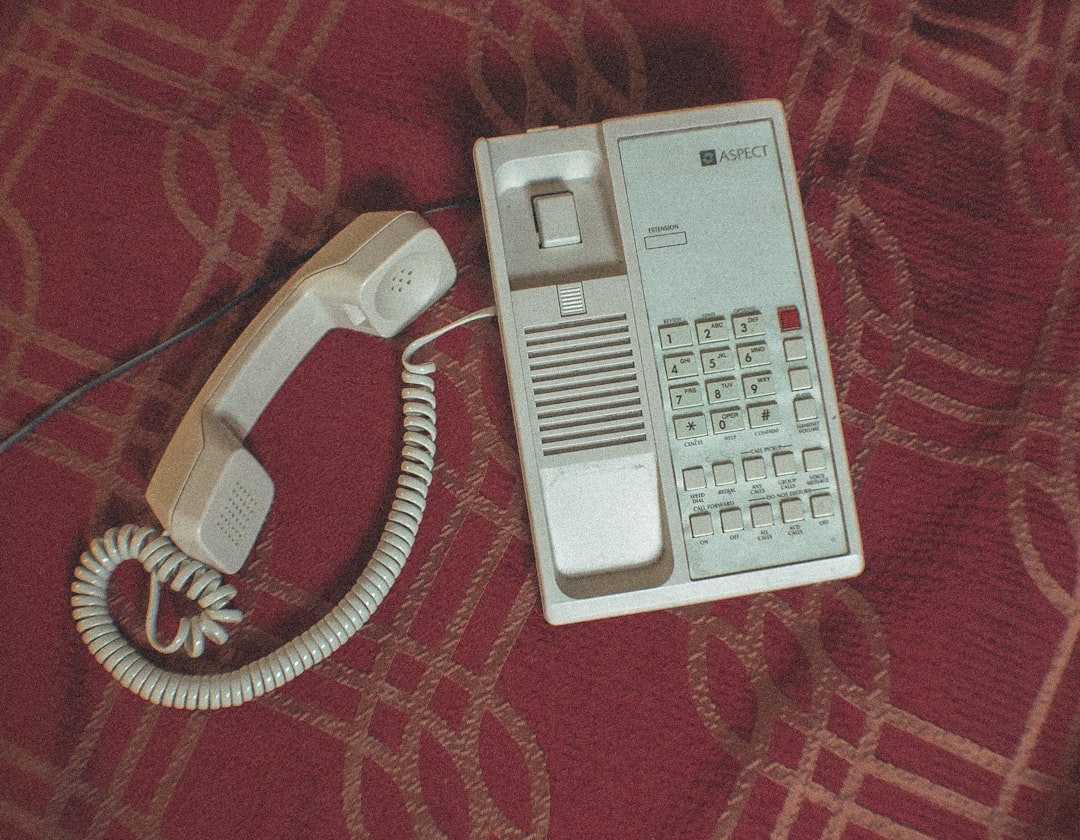
New York residents face a persistent challenge with spam texts and robocalls, which has prompted experts to educate citizens on identifying these nuisance calls. With advanced technology, scam artists employ sophisticated methods to target consumers, making it crucial for individuals to recognize the signs of a potential robocall. According to recent studies, over 70% of New Yorkers have experienced unwanted calls, emphasizing the need for proactive measures. A robocall attorney in New York highlights that understanding these red flags is the first step towards protecting oneself and one's privacy.
Several indicators can help residents distinguish between legitimate communications and malicious attempts. For instance, unknown numbers displaying non-local area codes or repeated calls from the same number are common warnings. Automated voice prompts asking for personal information or urging immediate action should raise suspicions. Spammers often use pre-recorded messages, easily identifiable by static audio quality or unusual pauses. Additionally, calls claiming to be from government agencies, banks, or well-known companies, demanding urgent responses, are classic robocall tactics.
Practical advice includes never providing sensitive data over the phone unless verifying the caller's identity and purpose. Residents should also consider installing call-blocking apps or registering with the National Do Not Call Registry. By educating themselves on these signs, New Yorkers can better navigate a complex communication landscape and protect themselves from robocall scams, ensuring a safer digital experience.
Legal Recourse: How a Robocall Attorney in New York Can Help
In the face of persistent spam texts and robocalls, New Yorkers now have a powerful legal tool at their disposal: seeking recourse through a Robocall Attorney in New York. With the exponential rise in automated calls, many residents find themselves on the receiving end of unwanted marketing messages or even fraudulent schemes. A specialized lawyer can offer expert guidance and aggressive representation to combat these intrusions.
The Telephone Consumer Protection Act (TCPA) provides significant protections for consumers against robocalls and spam texts. This federal law restricts the use of automatic dialing systems and prerecorded messages without prior express consent, giving rise to legal action against violators. A Robocall Attorney in New York is intimately familiar with these laws and can help individuals navigate complex legal processes. They can assist in filing complaints, negotiating settlements, or representing clients in court, ensuring that rights are protected. For instance, a recent study revealed that over 90% of robocalls received by New Yorkers were from telemarketers or scammers, underscoring the need for professional legal aid.
When dealing with spam texts or robocalls, taking swift action is crucial. A qualified Robocall Attorney in New York can help individuals recover damages and block future calls. They possess the expertise to unravel intricate legal matters, ensuring that justice is served. Whether it's a case of harassment, misrepresented marketing, or identity theft, these attorneys offer tailored strategies. For example, they may initiate contact with call centers or telemarketers on behalf of clients, demanding immediate cessation and compensation for any financial loss incurred. By empowering individuals to take legal action, New Yorkers can reclaim control over their communication channels.
Effective Solutions: Stopping Spam Texts and Robocalls Permanently

In New York and across the nation, spam texts and robocalls have become a pervasive nuisance, with millions of Americans subjected to unwanted communications daily. While temporary fixes like blocking numbers or signing up for Do Not Call lists offer some respite, these solutions are often ineffective against sophisticated spammers who continuously evolve their tactics. To address this crisis permanently, New York residents must explore robust legal and technological strategies.
One effective approach involves empowering individuals with legal recourse. A robocall attorney in New York can guide victims through the intricacies of consumer protection laws, helping them file complaints and seek damages for harassment. Recent federal legislation, such as the Telephone Consumer Protection Act (TCPA), provides strong incentives for enforcement, including substantial monetary penalties for violators. Proactive litigation not only discourages spammers but also establishes a precedent for holding them accountable.
Moreover, technological advancements offer promising solutions. Advanced machine learning algorithms can identify and filter spam texts and robocalls before they reach users' inboxes or phones. These systems learn from vast datasets to recognize patterns indicative of malicious calls, improving accuracy over time. Additionally, implementing strong authentication measures, like SMS-based two-factor authentication (2FA), adds an extra layer of security against unauthorized communications. By combining legal deterrents and technological safeguards, New York can create a comprehensive strategy to eliminate spam texts and robocalls once and for all.