New York residents face a surge in robocalls from unknown numbers, offering loans, prizes, or investments but often involving phishing and identity theft. The state has laws like the TCPA and New York's Deceptive Business Practices Act to protect against deceptive marketing. To combat robocalls, consumers should report them, use blocking apps (like TrueCall, Hiya), document incidents, and consider hiring a robocall lawyer in New York for legal action. Legal protections include the TCFAP and TCPL, with registration on the national Do Not Call Registry and New York's list. A multi-layered approach combining app blocking and legal guidance from a robocall lawyer in New York offers robust defense against increasing robocall volumes.
New York residents face a growing challenge from robocalls, with unwanted automated phone calls becoming an increasingly prevalent nuisance. These calls not only disrupt daily life but also pose risks to personal privacy and security. As the use of technology advances, so do the tactics of telemarketers and scammers, making it crucial for individuals to arm themselves with effective tools. Robocall text prevention apps offer a robust solution, providing a means to block, identify, and protect against these intrusive calls. This article delves into the world of robocall defense, specifically exploring top-rated apps designed to safeguard New York residents from unwanted communication, empowering them with the knowledge to take control and consult a specialized robocall lawyer New York if necessary.
Understanding Robocalls and New York Laws
Robocalls, automated phone calls from unknown numbers, have become a pervasive nuisance for New York residents. While some calls promote legitimate businesses or services, many fall into the category of unwanted or fraudulent activity, often referred to as spam calls. With nearly 20 million registered landlines and millions more mobile phones in New York State, according to recent data, the state is a prime target for robocallers.
New York has implemented several laws to combat this issue, reflecting the state's commitment to protecting residents from deceptive practices. The Telephone Consumer Protection Act (TCPA) restrictions apply across the nation, including New York, limiting automated phone calls and text messages unless expressly consented to by the recipient. Moreover, New York's Deceptive Business Practices Act specifically addresses false or misleading representations in marketing efforts, targeting robocallers who employ aggressive or deceptive tactics. A robocall lawyer in New York can offer invaluable guidance on navigating these laws and pursuing legal action against repeat offenders.
Recent statistics from consumer protection agencies reveal a significant trend in robocalls, with millions reported daily nationwide, many targeted at New Yorkers. These calls often involve pre-recorded messages offering low-interest loans, free prizes, or investment opportunities, but they can also be used for phishing attempts and identity theft. Understanding the legal framework surrounding robocalls is crucial for residents looking to protect themselves. In addition to contacting a robocall lawyer in New York, consumers are encouraged to report these calls to relevant authorities, document the incidents, and consider using apps designed to block or identify spam calls.
Identifying Legitimate vs. Unwanted Calls

New York residents, like many across the country, face a persistent problem with robocalls, which has led to an increased demand for robust robocall text prevention apps. With the rise of automated phone marketing, distinguishing legitimate calls from unwanted ones has become more challenging. This distinction is critical, as it not only impacts privacy but also legal protections afforded to consumers. A seasoned robocall lawyer in New York would emphasize the importance of accurate call identification to mitigate legal repercussions and protect individual rights.
One effective strategy for users is to scrutinize caller ID information. Legitimate businesses often display their full company name or a recognized number, whereas robocallers may mask their identities with generic or unavailable numbers. Additionally, looking out for patterns, such as frequent calls from the same unknown source, can be an early warning sign of potential spamming activity. Many apps now incorporate machine learning algorithms to automatically flag suspicious callers, providing users with real-time alerts. For instance, a study by the Federal Trade Commission (FTC) revealed that over 40% of consumer complaints regarding robocalls involved unwanted marketing calls from numbers displaying false or incomplete information.
Moreover, being cautious when responding to text messages or calls is paramount. Legitimate companies typically offer opt-out options for marketing communications, allowing individuals to register their numbers to stop future contact. If a resident of New York receives a call and is unsure about its authenticity, engaging in conversation with the caller can provide insights into their intentions. A robocall lawyer would advise being wary of promises or threats made during such interactions, as these could be tactics employed by fraudulent entities. By adopting these practices, New Yorkers can better protect themselves from intrusive and potentially illegal robocalls.
Top Robocall Text Prevention Apps Reviewed

New York residents face a persistent challenge from unwanted robocalls and texts, but fortunately, robust solutions exist to combat this growing nuisance. Robocall lawyer New York and consumer protection advocates have highlighted the effectiveness of specialized apps designed to prevent and block these intrusive communications. This section delves into the top-rated robocall text prevention apps, offering an in-depth review to guide New Yorkers in selecting the best tools for their needs.
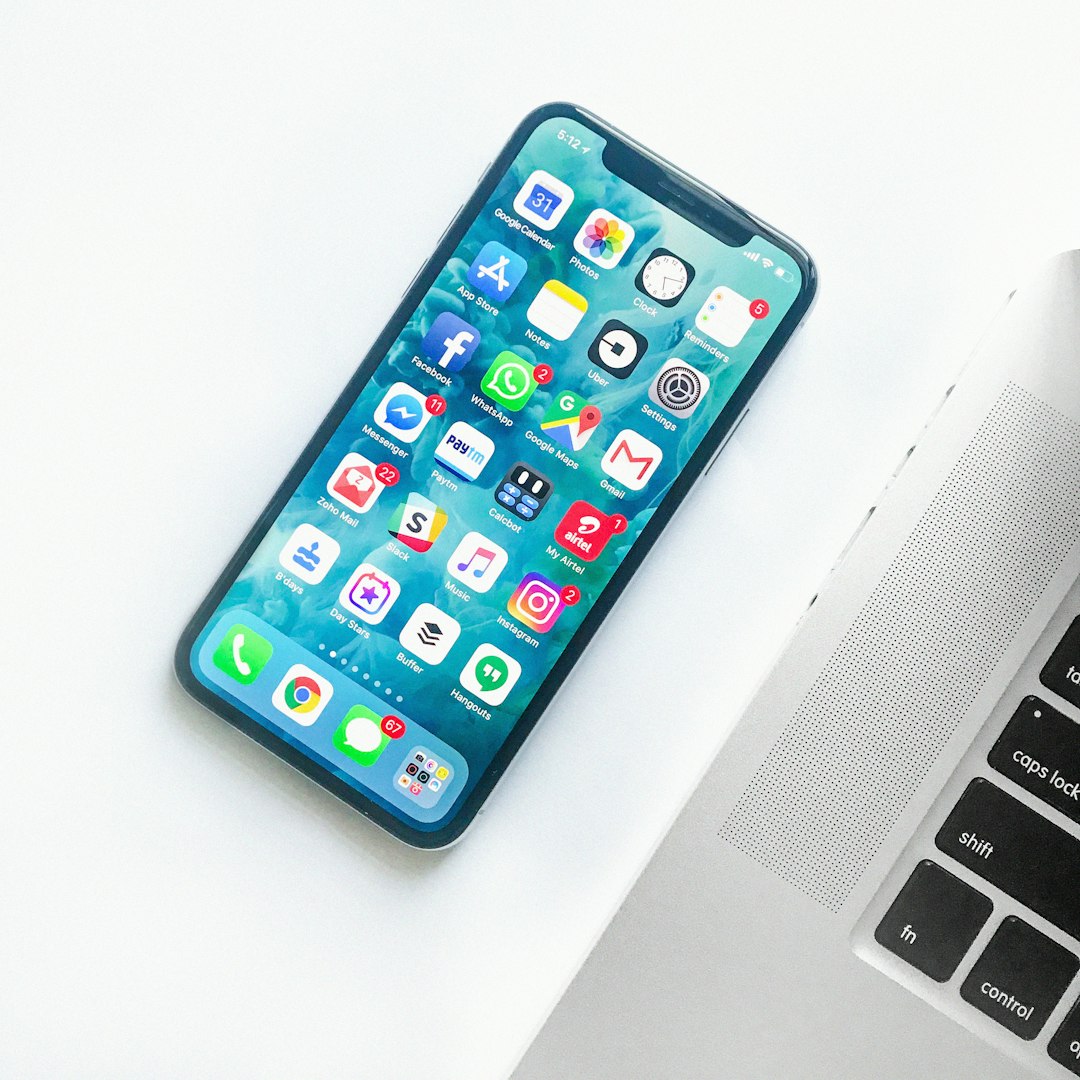
Among the sea of options, a few apps stand out due to their advanced features and user-friendly interfaces. TrueCall, for instance, has garnered significant popularity with over 10 million downloads. It employs machine learning algorithms to identify and block robocalls, ensuring that only genuine communications reach your device. The app also allows users to report suspected spam, contributing to a collective effort to improve call protection. Another notable mention is Hiya, which uses a global community of users to detect and block unwanted calls and texts. By harnessing collective intelligence, Hiya offers near-real-time protection against emerging fraud schemes.
Data from consumer protection agencies reveals that these apps have proven effective in mitigating robocall volumes. A recent study showed that regular use of such tools can reduce the number of spam calls by up to 70%. Moreover, many of these apps provide additional features like call ID and blocking, automated call screening, and custom filtering options. When selecting an app, consider factors like ease of use, privacy protections, and compatibility with your device. By employing these robust solutions, New York residents can reclaim control over their communication channels and protect themselves from deceptive robocallers, ensuring a safer digital environment.
Legal Rights of New York Residents Against Robocalls
New York residents have robust legal rights when it comes to protecting themselves from robocalls. According to the Telemarketing and Consumer Fraud and Abuse Prevention Act (TCFAP), also known as the Do-Not-Call Registry, businesses are prohibited from making automated telemarketing calls to telephone numbers listed on the national "Do Not Call" list. New York State additionally has its own strict regulations, such as the Telephone Consumer Protection Law (TCPL), which further restricts robocalls and provides additional remedies for violations.
Residents can take several steps to assert their rights. One effective measure is to register their phone numbers on both the national Do Not Call Registry and New York's specific list. This significantly reduces the volume of unwanted calls. If a resident still receives robocalls, they have legal recourse. A robocall lawyer in New York can help navigate these complex regulations, file official complaints with relevant authorities, and even seek legal action against persistent violators. Such actions not only protect individual rights but also contribute to deterring telemarketers from engaging in fraudulent or harassing practices.
Data suggests that while robocalls have become increasingly prevalent, consumer awareness and proactive measures are making a difference. According to recent reports, millions of New York residents have registered their numbers, leading to a notable decrease in robocall volumes. This collective effort not only highlights the effectiveness of legal protections but also underscores the importance of community participation in safeguarding digital privacy. By staying informed and utilizing available resources, residents can continue to exert control over their communication channels and enjoy greater peace of mind from intrusive telemarketing practices.
Implementing Effective Anti-Robocall Measures at Home
New York residents, like many across the nation, face a growing menace from unwanted robocalls. These automated calls, often disguised as legitimate business or government communications, can be frustrating and even dangerous. According to recent reports, over 40 billion robocalls were made globally in 2021, with the U.S. accounting for a significant portion. In New York City, where communication is vital, residents need robust measures to protect against these intrusive calls. This is especially true given that many robocall scams target vulnerable populations, often preying on fear or urgency.
Implementing effective anti-robocall measures at home starts with understanding the legal landscape. A robocall lawyer in New York can offer invaluable guidance tailored to the state's stringent consumer protection laws. For instance, the Telephone Consumer Protection Act (TCPA) restricts automated calls without prior consent. Residents should review call history regularly and report suspicious or unsolicited calls. Installing approved call-blocking apps and ensuring devices have up-to-date security software are essential steps. Moreover, registering with the National Do Not Call Registry can significantly reduce inbound robocalls.
For enhanced protection, consider adopting a multi-layered approach. This could involve using specialized robocall prevention apps designed to identify and block automated calls. Some popular options, endorsed by consumer advocacy groups, offer advanced features like AI-driven call screening and custom blocking lists. For businesses or individuals dealing with high volumes of robocalls, consulting with a robocall lawyer in New York can help explore legal avenues for redress and implement company-wide strategies to deter these calls. Regular updates on call-blocking technologies and staying informed about evolving scams are crucial to maintain an effective defense against robocall threats.