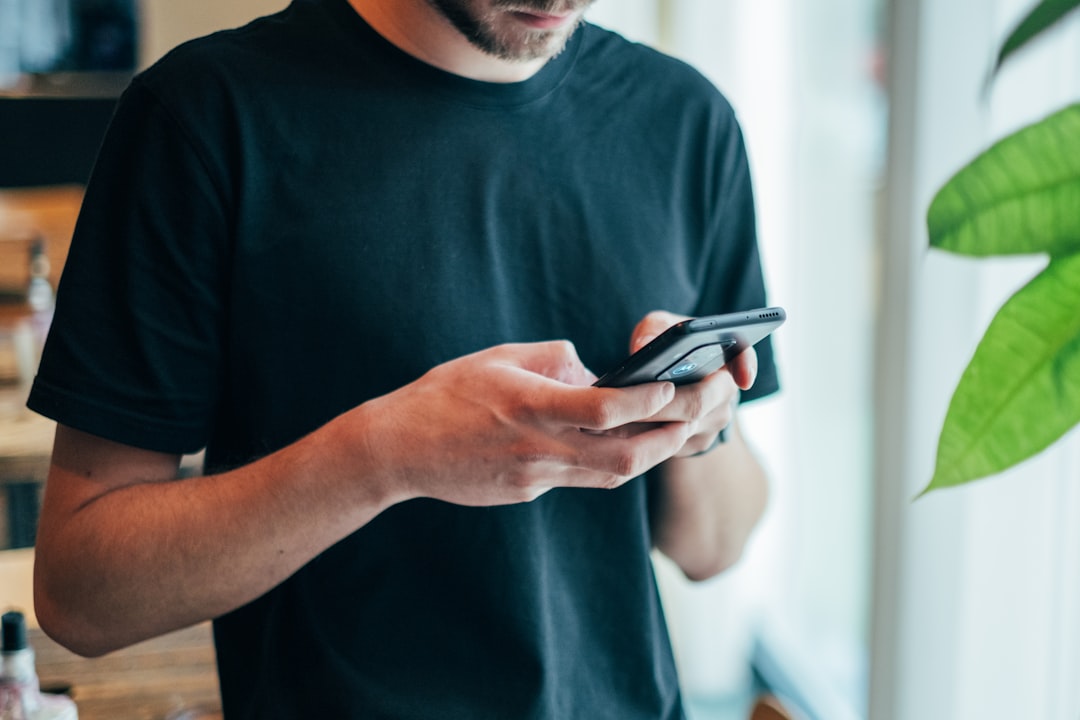
New York City is plagued by spam texts and robocalls, with sophisticated messages often disguised as legitimate. Federal law, notably the Telephone Consumer Protection Act (TCPA), restricts automated calling without consent. New Yorkers can protect themselves by registering on the National Do Not Call Registry, using call-blocking apps, and seeking guidance from a robocall lawyer New York. These experts specialize in TCPA compliance, helping consumers file complaints, block calls, and claim damages against violators. Combining legal expertise with technological solutions empowers New Yorkers to reclaim control over their phone lines.
New York City's bustling landscape is filled with a constant stream of communication, but not all messages are welcome. In today's digital age, spam texts and robocalls have become a pervasive nuisance for New Yorkers, intruding upon personal time and privacy. These automated calls, often disguised as legitimate offers or warnings, can be particularly bothersome for those unaware of their rights and options. This guide aims to empower residents by offering practical strategies to identify, block, and manage these unwanted interruptions. With insights from experienced robocall lawyers in New York, we provide a comprehensive toolkit to reclaim control over your communication channels.
Understanding Spam Texts & Robocalls in New York
New York City, with its bustling streets and diverse population, is also a hub for communication technologies – including, unfortunately, spam texts and robocalls. Understanding these intrusive practices is essential for any New Yorker looking to protect their privacy and peace of mind. While many states have implemented regulations to curb excessive robocalling, the volume and sophistication of these automated messages continue to evolve.
Spam texts and robocalls often masquerade as legitimate communications from banks, healthcare providers, or even government agencies. In New York, where robust consumer protection laws are in place, residents have certain rights – but knowing how to recognize and respond to these calls is crucial. According to recent data from the Federal Trade Commission (FTC), New Yorkers reported one of the highest per-capita rates of robocalls across the country in 2022, underscoring the urgency of awareness and proactive measures.
A robocall lawyer New York can offer invaluable guidance on navigating these complex legal issues. They can help individuals understand their rights under state and federal laws, such as the Telephone Consumer Protection Act (TCPA), which restricts certain types of automated calling. For example, a lawyer can assist in filing a complaint or taking legal action against call centers that violate these laws, potentially securing financial compensation for victims of spamming or unwanted robocalls. Proactive steps like registering on the National Do Not Call Registry and utilizing call-blocking apps are also effective strategies to mitigate the impact of these intrusive messages.
Legal Rights & Options for New Yorkers Targeted
New Yorkers facing a deluge of spam texts and robocalls have legal rights and options available to them, offering some measure of protection against this increasingly pervasive nuisance. According to recent data from the Federal Communications Commission (FCC), millions of Americans receive unwanted automated calls each day, with New York City ranking among the top cities worldwide for robocall volumes. This surge has led to a heightened awareness of consumer rights and the importance of knowing how to combat these intrusions.
One of the key legal protections for New Yorkers is the Telephone Consumer Protection Act (TCPA), a federal law designed to curb excessive phone marketing. The TCPA prohibits automated calls made to personal devices without prior express consent, providing individuals with the right to stop receiving such calls. If you've been targeted by spam texts or robocalls, taking action is encouraged. Documenting the calls, including dates, times, and content, serves as valuable evidence. A robocall lawyer New York can guide victims through this process, assisting in sending cease-and-desist letters to call originators and pursuing legal action if necessary.
Additionally, New York state laws amplify these federal protections. The New York State Department of Law actively enforces regulations against deceptive telemarketing practices, allowing consumers to file complaints with the Attorney General's office. These actions not only protect individuals but also send a strong message to call centers engaging in unlawful activities. By leveraging both federal and state legislation, New Yorkers can reclaim their phone lines from unwanted intrusions, ensuring a quieter and more peaceful communication environment.
Strategies to Stop & Block Unwanted Calls Effectively
New Yorkers are no strangers to the incessant buzz of their phones, but a particular nuisance has emerged in recent years: spam texts and robocalls. These automated messages, often advertising products or services, can be relentless and intrusive. According to the Federal Communications Commission (FCC), millions of Americans receive unwanted robocalls daily, with New York State ranking among the top states for both incoming and outgoing fraudulent calls. This has prompted many New Yorkers to seek effective strategies to stop and block these unwanted intrusions.
One of the most powerful tools in a New Yorker's arsenal is registering their phone number on the National Do Not Call Registry. This federal list restricts telemarketers from calling registered numbers, offering some respite from unsolicited calls. However, for robocalls, which often bypass human operators, this measure alone may not be sufficient. Here, technology comes to the rescue; numerous apps and software solutions are designed specifically to identify and block spam texts and automated calls. These tools use advanced algorithms to analyze call patterns and filter out known robocallers. For instance, a leading app in this field, TrueCall, has blocked over 300 million spam calls since its launch, according to the company's statistics.
Additionally, consulting with a robocall lawyer New York can provide targeted legal solutions. These experts specialize in navigating the complex regulations surrounding telemarketing and robocalls, such as the Telephone Consumer Protection Act (TCPA). They offer guidance on blocking orders, filing complaints, and seeking damages for violations. For businesses concerned about their call practices, these lawyers can ensure compliance, preventing unintended spam calls from originating from their networks. By combining technological solutions with legal expertise, New Yorkers can reclaim control over their phone lines, enjoying a quieter digital space.
Working with a Robocall Lawyer in NYC: Your Guide
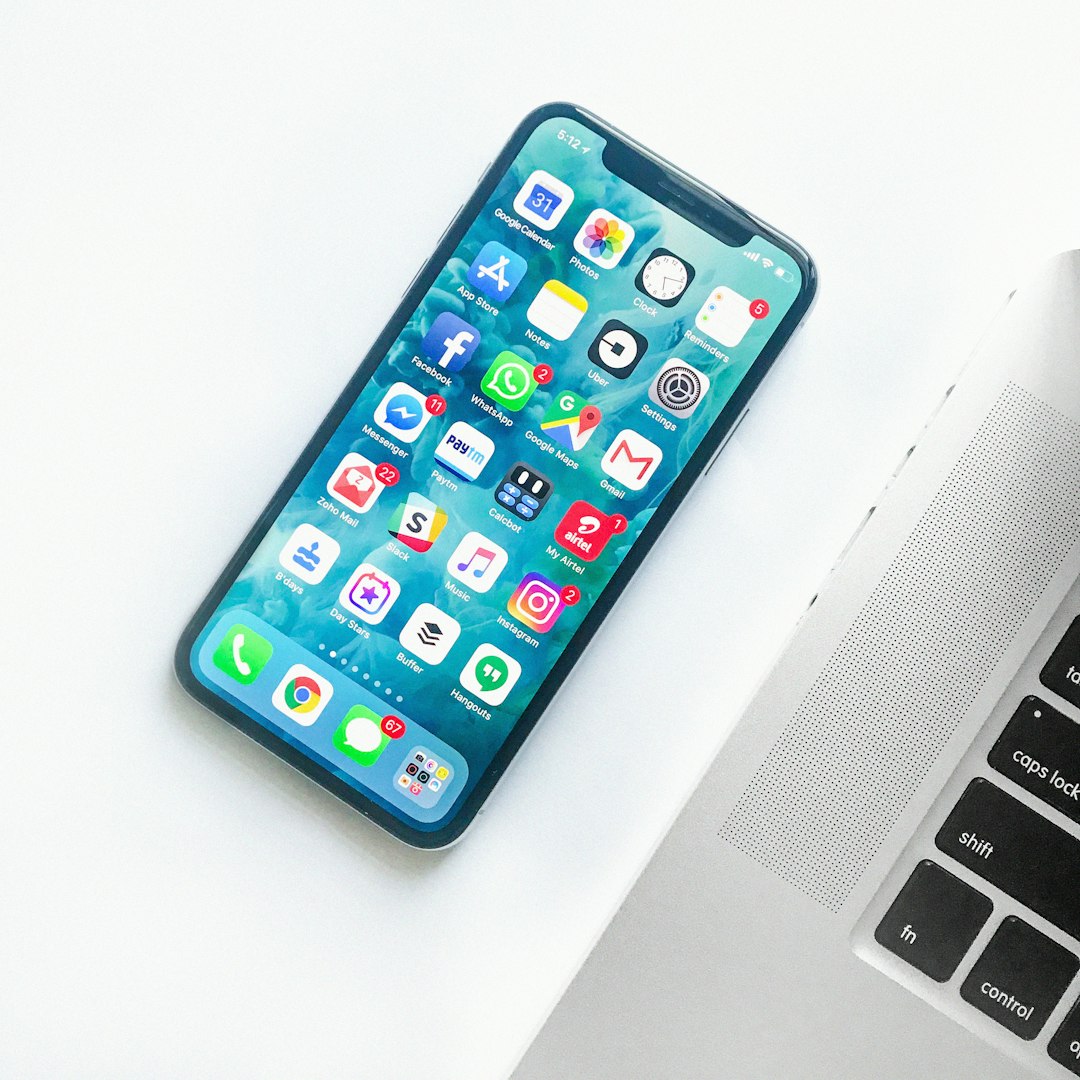
Navigating the complex world of spam texts and robocalls can be overwhelming for New Yorkers, but working with a robocall lawyer in NYC offers a strategic advantage. These legal professionals specialize in protecting consumers from intrusive automated communications, ensuring compliance with federal laws like the Telephone Consumer Protection Act (TCPA). With the TCPA, there are strict guidelines on how businesses can contact consumers, and violations can lead to significant financial penalties.
A robocall lawyer New York brings expertise in interpreting these regulations and advocating for individuals affected by unwanted calls. They assist clients in understanding their rights, taking legal action against violators, and securing compensation for damages incurred. For instance, a common scenario involves class-action lawsuits where lawyers represent groups of people who received prerecorded robocalls, helping them collectively pursue monetary relief. Moreover, these attorneys guide clients through the process of blocking future calls, providing peace of mind in an increasingly digital age.
When dealing with robocall issues, seeking legal counsel is crucial. A qualified robocall lawyer New York can offer tailored advice, ensuring that consumers' rights are protected and that they receive fair compensation. Their knowledge of TCPA regulations enables them to navigate complex cases, making it easier for New Yorkers to combat the nuisance of spam texts and automated calls.