New Yorkers face a deluge of unwanted robocalls and texts (40 billion annually) regulated by the Telephone Consumer Protection Act (TCPA) and state laws. Combating spam involves call-blocking apps, Do Not Call lists, legal guidance from a lawyer for unwanted texts New York, and advanced tech solutions. Documenting interactions and staying informed are crucial. Tech tools like Hiya and carrier features block automated calls. Legal measures protect against harassment and ensure compliance. Prompt action, consent, and opt-out mechanisms are key takeaways.
In today’s digital age, unwanted robocalls and texts have become a pervasive nuisance, impacting millions of New York residents daily. This relentless deluge of intrusive messages, often from telemarketers or scammers, can disrupt peace of mind and expose individuals to financial risks. Fortunately, New York offers robust tools and legal protections to combat this issue. This article serves as a comprehensive guide for New Yorkers seeking to reclaim their privacy and silence unwanted communications, with practical insights and expert advice from renowned attorneys specializing in protecting consumers from excessive texts and calls.
Understanding Robocalls and Texts in New York
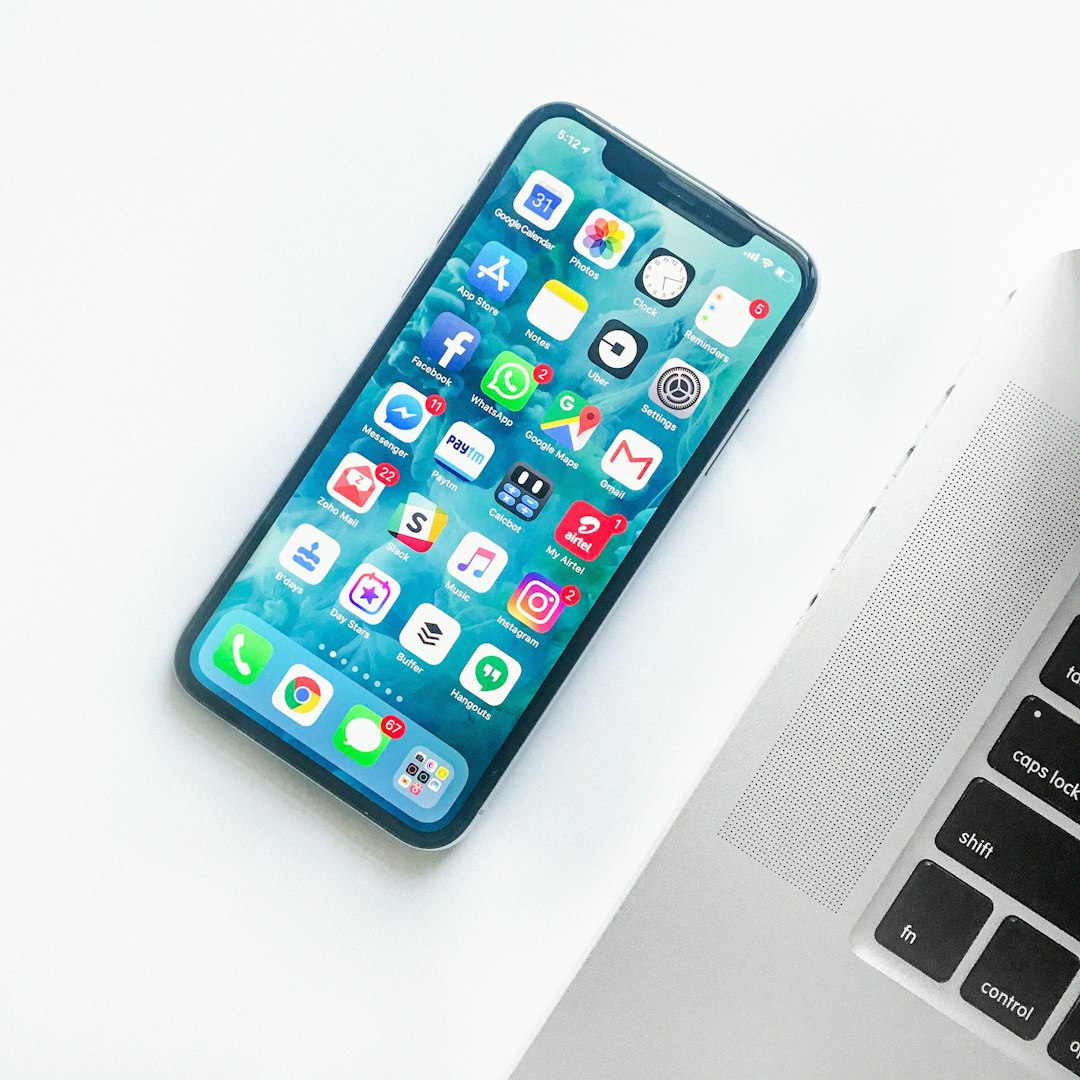
Robocalls and texts have become a pervasive issue for New Yorkers, with an estimated 40 billion spam messages flooding the state each year. Understanding these unwanted communications is the first step toward combating them effectively. In New York, both telephone robocalls and text messages are regulated under the Telephone Consumer Protection Act (TCPA) and similar state laws. These laws aim to protect consumers from intrusive and unsolicited communication, giving rise to a need for effective strategies to mitigate their impact.
One key aspect is recognizing the legal implications. A lawyer for unwanted texts in New York can provide crucial guidance on how to navigate these regulations. For instance, businesses must obtain prior explicit consent before sending automated calls or texts, and consumers have the right to opt-out of such communications. By understanding these rights and responsibilities, individuals can take proactive measures against robocalls and texts. This includes using reputable call-blocking apps, enrolling in Do Not Call registries, and educating themselves on the legal protections available under New York’s consumer privacy laws.
Moreover, technology plays a significant role in combating this growing problem. Advanced call blocking systems, equipped with machine learning capabilities, can identify and filter out robocalls at an unprecedented rate. Similarly, text message filtering software enables users to block specific senders or types of messages based on keywords or patterns. For businesses, investing in robust anti-spam solutions is essential to maintain customer trust and avoid legal repercussions. By combining technological tools with a solid understanding of the law, New Yorkers can effectively prevent and manage robocalls and texts, reclaiming control over their communication channels.
Legal Rights: How to Stop Unwanted Communication

In New York, residents have robust legal rights to protect themselves from unwanted phone calls and texts, often referred to as robocalls or spam messaging. The Telephone Consumer Protection Act (TCPA) is a federal law that grants individuals the power to take action against intrusive communications. According to recent data, over 40 billion robocalls were made in the United States last year, with New York seeing a significant share of these nuisance calls. This surge has prompted many New Yorkers to seek legal recourse and ways to curb this overwhelming influx.
One effective strategy for combating unwanted texts or calls is to register on the National Do Not Call Registry. While this does not guarantee complete protection against robocalls, it’s a crucial first step. The TCPA also prohibits automated telephone equipment from calling cellular phone numbers without prior express consent. If you receive unwanted texts or calls from known or unknown sources, documenting these interactions by saving call logs and messages is essential. This evidence can be invaluable when considering legal action. Engaging the services of a lawyer for unwanted texts in New York can provide specialized guidance and support. They can assist with filing complaints, negotiating settlements, and even representing you in court if necessary.
Additionally, many telecom carriers offer tools to filter or block robocalls and spam messages. Utilizing these features alongside legal measures can offer a multi-layered defense against unwanted communication. It’s important to stay informed about your rights and the latest legislative developments, as new laws and regulations are continually being introduced to combat this growing issue. By combining technological solutions with legal expertise, New Yorkers can reclaim control of their communication channels and find solace from intrusive robocalls and texts.
Effective Tools for New York Residents: A Comprehensive Guide

New York residents now have a variety of effective tools at their disposal to combat the deluge of unwanted robocalls and texts. This is especially crucial given that fraudsters often target New York City’s bustling landscape, utilizing automated technologies to send out mass messages with malicious intent. According to recent data from the Federal Communications Commission (FCC), robocalls account for nearly 60% of all calls received by Americans daily, many aimed at tricking recipients into divulging personal information or providing financial gain to scammers.
To counter this trend, residents have several robust options. One powerful tool is the use of call-blocking apps and devices designed to identify and block automated numbers. Apps like Hiya and TrueCall are highly regarded for their advanced algorithms that can recognize and filter out robocalls with impressive accuracy. Additionally, many phone carriers offer built-in call-screening features or partnerships with anti-spam technologies, providing an extra layer of defense against unwanted calls and texts. For more tailored solutions, consulting a lawyer specializing in consumer protection or privacy rights can be immensely beneficial. They can guide individuals on the legal steps to take when dealing with persistent or malicious robocalls, ensuring that all available resources are leveraged to protect residents’ rights.
Furthermore, registering for Do Not Call lists maintained by both state and federal authorities is a fundamental step in curtailing unwanted communications. The National Do Not Call Registry allows consumers to opt-out of marketing calls, while state-specific lists target local robocallers. Regularly reviewing and updating these registrations ensures ongoing protection. Another strategic approach involves the use of text message blocking services that offer advanced filtering options. These services can be customized to block messages from specific numbers or even entire categories of senders, providing a highly personalized defense against unwanted texts. By combining these tools and taking proactive measures, New York residents can reclaim control over their communication channels and protect themselves from potential scams.
The Role of a Lawyer: Navigating Legal Solutions for Unwanted Texts

In the age of digital communication, unwanted texts have become a prevalent nuisance, with robocalls and automated messages flooding consumers’ inboxes. While many individuals turn to technological solutions for respite, legal avenues remain a robust defense against this growing issue. A lawyer specializing in unwanted texts, New York, can offer critical guidance and implement effective strategies to curb this persistent problem.
New York laws, such as the Telephone Consumer Protection Act (TCPA), provide substantial protections against intrusive communications. These statutes allow individuals to take legal action against businesses or entities sending unsolicited text messages. A lawyer for unwanted texts in New York can navigate these complex regulations, helping clients understand their rights and the potential remedies available. Through strategic litigation or negotiations, legal professionals can force offending companies to comply with privacy standards, thereby reducing the volume of unwanted texts.
Moreover, these legal experts can assist clients in drafting personalized agreements that delineate acceptable communication practices. By holding businesses accountable for their marketing tactics, lawyers play a pivotal role in fostering a more responsible digital environment. With their knowledge of case law and regulatory frameworks, they ensure that consumers’ privacy is respected, empowering them to take control of their digital experiences.
Implementing Prevention Strategies: Taking Control of Your Communications