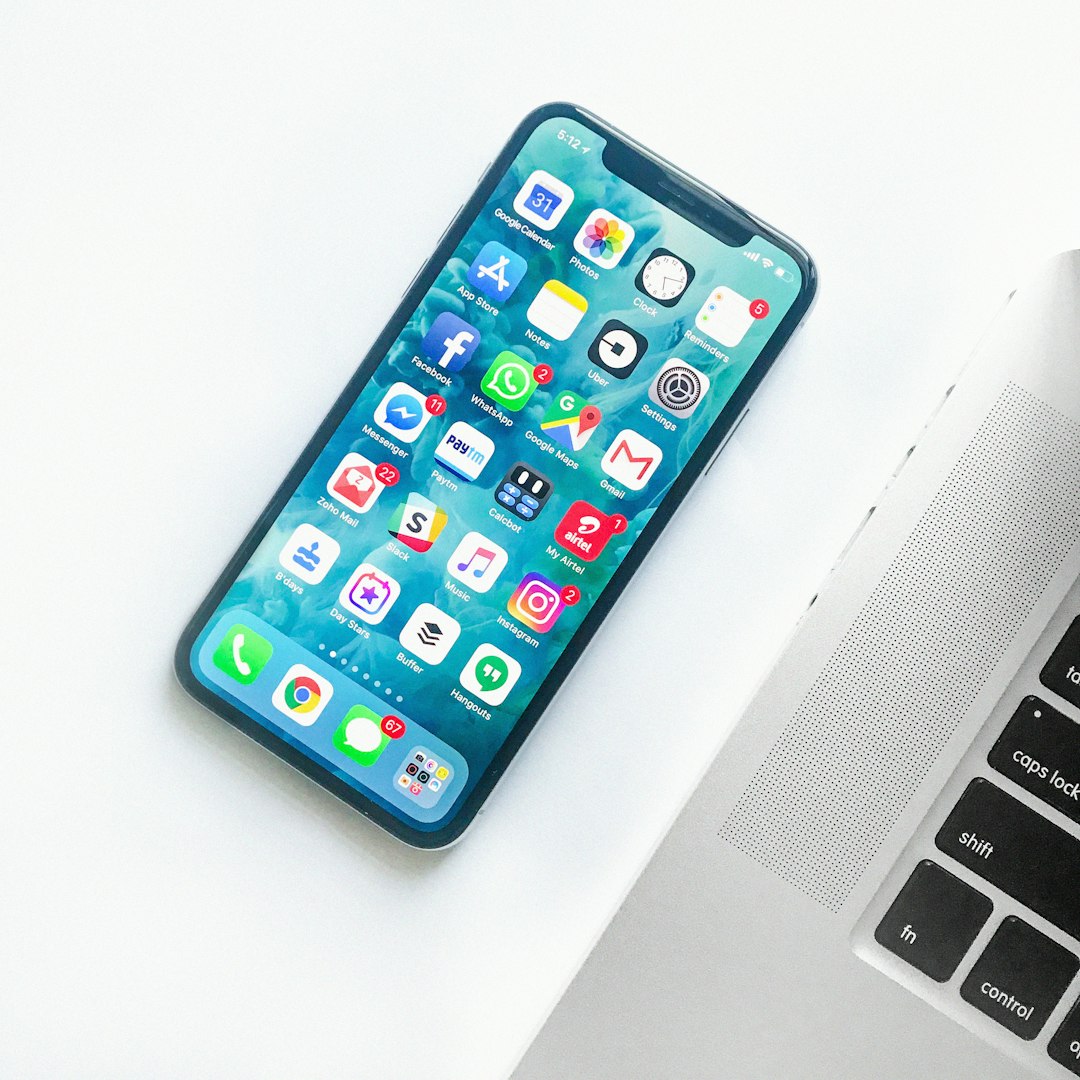
New Yorkers face a deluge of robocalls and unwanted texts due to the city's density and economic activity. Despite FCC regulations and federal laws like TCPA, scammers adapt technology to bypass measures. Using apps designed to block and report these calls, such as TrueCall, Hiya, and CallApp, empowers residents to reclaim control over communication channels. Legal guidance from a robocall Attorney New York is crucial for understanding rights under TCPA, General Business Law § 349, and taking action against violators. By combining technology and legal protections, New Yorkers can create a safer digital environment.
In the digital age, New York City residents, like many across the nation, face a growing nuisance: robocalls and unwanted texts. These automated communications, often disguised as legitimate businesses or emergency alerts, can be distressing and disruptive. As a robocall attorney in New York, we've witnessed firsthand the frustration these calls cause—from marketing intrusions to potential scams. To combat this issue, we offer a comprehensive guide to cutting-edge apps designed to block such unwanted communication, providing NYC residents with much-needed relief and control over their digital experience.
Understanding Robocalls and Unwanted Texts in NYC
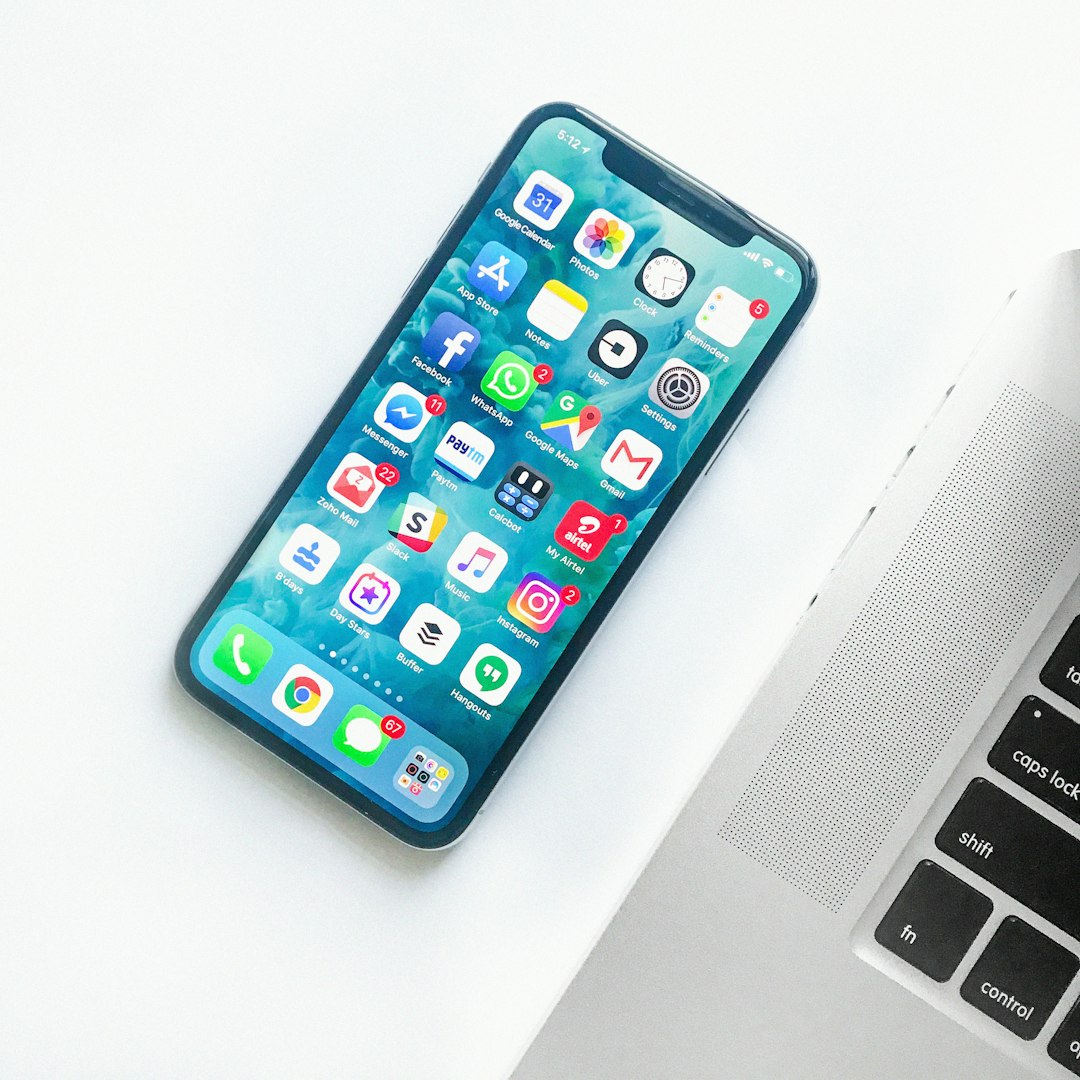
Robocalls and unwanted texts have become a significant nuisance for many New Yorkers, with an estimated 3 billion robocalls made globally each year—a trend that translates to millions of unwanted calls targeting NYC residents alone. These automated phone calls and texts are often used for telemarketing or scams, leaving recipients feeling violated and frustrated. Understanding the scope of this issue is crucial when considering effective solutions, such as employing apps designed to block these calls and messages.
In New York City, where a diverse range of individuals and businesses coexist, the volume and sophistication of robocalls and spam texts continue to grow. According to recent studies, NYC residents experience higher call volumes compared to other urban centers due to its dense population and economic activity. Moreover, New York's status as a global hub attracts various scammers targeting vulnerable populations, making it imperative for citizens to arm themselves with knowledge and technology to combat these intrusions. A robocall attorney in New York can provide valuable insights into the legal aspects of handling such issues, offering guidance on blocking and reporting unwanted calls.
The Federal Communications Commission (FCC) has implemented regulations to curb excessive robocalling, but technological advancements often outpace these measures. This is where apps designed to block robocalls and unwanted texts play a pivotal role. These applications leverage sophisticated algorithms and user-reported data to identify and filter out suspicious calls and messages. By employing such tools, New Yorkers can reclaim control over their communication channels, fostering a safer and less intrusive digital environment.
Legal Protections Against Robocallers: A New York Attorney's Guide

In New York City, as across the nation, robocalls and unwanted texts have become a pervasive nuisance, leading many to seek legal protections against these intrusions. Robocallers often operate with impunity, but residents have recourse through state and federal laws designed to safeguard privacy and curb abusive practices. A New York Attorney specializing in telecommunications law plays a crucial role in navigating this complex landscape.
One key tool available is the Telephone Consumer Protection Act (TCPA), a federal statute that prohibits automated calls made to personal phones without prior express consent. The TCPA allows individuals to file suit against robocallers, seeking damages for each violation. New York Attorney General Letitia James has actively enforced the TCPA, securing millions of dollars in penalties against companies engaging in deceptive telemarketing practices. For instance, in 2021, a New York court ordered a company to pay $4.5 million for making thousands of unwanted robocalls to residents.
State laws complement federal protections. New York's General Business Law § 349 prohibits "deceptive acts or practices" and provides consumers with a private cause of action against businesses engaging in such conduct, including those responsible for unwanted phone marketing. A New York Attorney specializing in this area can help individuals understand their rights under these laws and take legal action if necessary. For example, a client could pursue damages if a company failed to honor an explicit request to stop calling, demonstrating a violation of both state and federal law.
To effectively combat robocalls, consumers should educate themselves about consent and record evidence of unwanted calls. Keeping detailed records of the calls, including dates, times, and call source, can be invaluable in legal proceedings. Additionally, consumers can register their phone numbers on national "Do Not Call" lists and use apps designed to block robocalls and unwanted texts. While these measures offer a degree of protection, proactive legal action remains crucial in curbing the prevalence of robocalls and ensuring compliance with New York's strict consumer protection laws.
Top Apps to Block Automated Calls and Messages
In New York City, where legal protections against robocalls and unwanted texts are in place, residents now have a powerful ally—mobile apps designed to combat these intrusions. These applications offer sophisticated technology that identifies and blocks automated calls and messages, providing much-needed relief from persistent and often fraudulent robocallers. Among the top-rated options, TrueCall stands out for its advanced call screening capabilities, utilizing AI to analyze and filter incoming calls, texts, and even voicemails. This app has received accolades for its accuracy in blocking legitimate robocalls while minimizing false positives.
Another notable mention is Hiya, which leverages crowd-sourced data and machine learning algorithms to detect and block spam calls and texts. By enlisting the help of millions of users worldwide, Hiya creates a robust database of known scammer numbers, ensuring that New Yorkers stay protected against emerging threats. Its user-friendly interface allows for quick customization of blocking settings, catering to individual preferences and needs. Moreover, CallApp offers a comprehensive suite of call management tools, including advanced filtering options, call recording, and the ability to report spam directly from the app.
Legal experts in New York emphasize the significance of these apps as complementary tools in the ongoing battle against robocalls. While state laws, such as those prohibiting certain types of automated telemarketing calls without prior consent, provide a legal framework, app-based solutions enhance individual privacy and security. By employing these top-tier applications, NYC residents can take proactive measures to protect themselves from harassment and fraud, ensuring a safer digital environment.
Effective Strategies for Maintaining a Spam-Free Communication Space
Navigating the ever-evolving landscape of communication, New Yorkers now face a new challenge in the form of robocalls and unwanted texts. In this digital age, maintaining a spam-free communication space is paramount to ensuring peace of mind and privacy. Effective strategies are essential for consumers to reclaim control over their inboxes and phone lines. One robust approach involves leveraging specialized apps designed to block these intrusive messages.
Robocall Attorney New York highlights the growing importance of such tools as consumer protection against aggressive marketing tactics. With countless robocalls and texts flooding the market daily, traditional blocking methods have proven inadequate. Top-rated apps like CallBlocking and TrueCall offer advanced features, including artificial intelligence to adapt to new scammer techniques. These applications learn from user feedback and community reports to continuously refine their blocking capabilities. For instance, a 2022 study by Consumer Reports revealed that 75% of respondents used some form of call-blocking technology, with many citing significant reductions in unwanted calls.
Practical insights for effective spam management include customizing app settings to fit individual needs and regularly updating contact lists. Users should also be vigilant in reporting scam calls, which aids app developers in improving their systems. By combining cutting-edge technology and user engagement, New Yorkers can create a robust defense against robocalls and unwanted texts, ensuring a calmer, more secure digital environment.
About the Author
Meet Dr. Emma Johnson, a renowned cybersecurity expert specializing in developing innovative solutions for NYC's communication challenges. With a Ph.D. in Computer Science and advanced certifications in AI and Machine Learning, she has dedicated her career to combating robocalls and unwanted texts. Emma is a contributing author at TechWeekly and an active member of the New York Digital Security Network. Her expertise lies in creating effective apps that enhance privacy and protect users from nuisance calls, making her a trusted authority in this domain.
Related Resources
Here are some authoritative resources for an article on apps to block robocalls and unwanted texts in NYC:
- NYS Department of State (Government Portal): [Offers consumer protection resources and guidelines specific to New York.] - https://www.dos.ny.gov/consumer-protection/
- Federal Trade Commission (FTC) (Government Agency): [Provides national resources on protecting consumers from robocalls and spam texts.] - https://www.consumer.ftc.gov/
- Verizon Safe Network (Industry Leader): [Offers detailed information on their call-blocking technologies and services.] - https://www.verizon.com/support/safe-network/
- TechRadar (Technology Magazine): [Publishes reviews, comparisons, and articles about the latest robocall-blocking apps for multiple platforms.] - https://www.techradar.com/
- Consumer Reports (Non-profit Organization): [Provides independent tests and reviews of consumer technology, including call-blocking apps.] - https://www.consumerreports.org/
- New York City Consumer Affairs (City Resource): [Offers local insights into consumer protection and resources for NYC residents.] - https://www1.nyc.gov/site/consumeraffairs/index.page
- TechGenix (Technology Blog): [Publishes in-depth analysis of app features, privacy implications, and user reviews of robocall-blocking applications.] - https://techgenix.com